





Physical activity and health
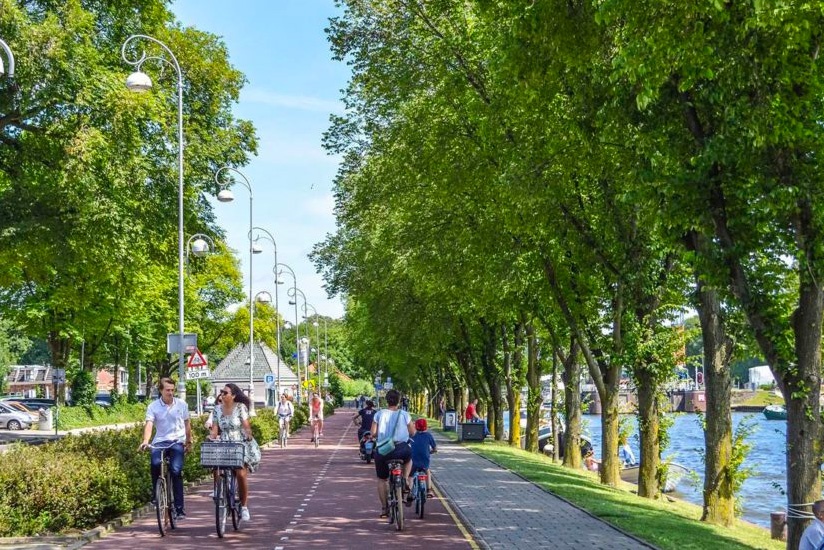
Lack of physical activity and sedentary lifestyle are one of the main mortality factors throughout the country, estimated to be responsible for about 15% of all deaths that occur each year in Italy (ISCA, 2015). In particular, physical inactivity contributes to increasing the incidence of obesity, various physical diseases such as coronary artery disease, type 2 diabetes, breast cancer, colorectal cancer and many others and multiple psychological disorders including depression (ISS, 2019 and CEBR 2015).
In the Lombardy Region, one in four people is completely sedentary, that is, does not practice sports and does not move during the day, and a further 40% practice insufficient activity (ISS, 2019).
The World Health Organization indicates that to be "physically active" a person must do, in addition to anaerobic activity, 150 to 300 minutes a week of moderate aerobic physical activity; the WHO also specifies that active mobility, therefore walking and/or cycling, is one of the best and most affordable ways for everyone to reach these minimum levels of activity (WHO, 2020). In particular, the minimum levels of physical activity recommended by the WHO indicate approximately 35-70 km of cycling per week, or approximately 7-14 km overall for each weekday.
These daily distances are well within everyone's reach and in most cases, as explained below, able to cover the mobility needs of a large part of all the trips that are made daily in the metropolitan city of Milan, even by car .
In an area where it is easy, fun and safe to use the bicycle for daily travel, the inhabitants carry out physical activity "without realizing it" or in any case (even) without dedicating a specific part of their time to it. As discussed below, this increase in physical activity has positive repercussions on the health system and its costs, on the expectation and quality of life of people, who live longer and in better physical condition, on the increase in work productivity , on the greater concentration capacity of children and young people.